
AC Repair and Tune-Ups in Pflugerville, TX
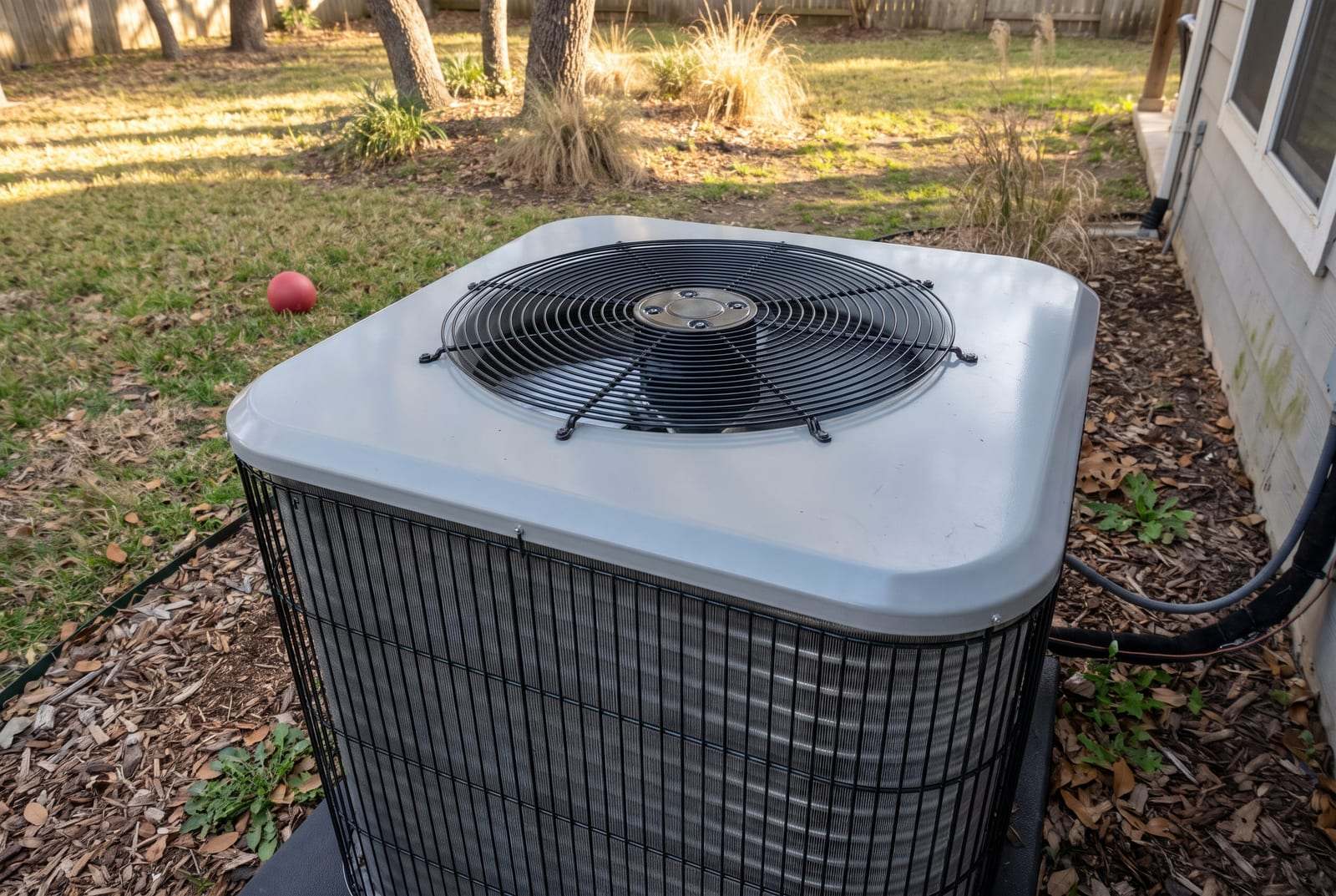
We repair central air conditioning systems and give them a seasonal tune-up before the heat arrives. A repair visit starts with a diagnosis: finding the part that actually failed and why, instead of replacing parts until the system runs again. Most breakdowns come down to a handful of parts, and the table below lists the ones we replace most often.
A tune-up is the same look taken before anything breaks: the parts that wear in the heat are tested, the drain is cleared and the coils are cleaned, so a weak part is found in spring rather than on the first long hot week of summer. The options are explained before any work begins.
Repairs by Part
| Part | Common problem | What you notice at home |
|---|---|---|
| Run capacitor | Weakens or bulges with heat and age | The outdoor unit hums but the fan does not spin, or the system starts and stops |
| Contactor | Contacts pit and burn, or stick closed | The outdoor unit will not start, or keeps running after the thermostat is satisfied |
| Condenser fan motor | Bearings wear out and the motor overheats | The outdoor fan is still while the unit hums, and the house slowly warms up |
| Blower motor | Motor or its capacitor fails | No air from the vents even though the outdoor unit runs |
| Evaporator coil | Leaks refrigerant or freezes over from low airflow | Ice on the copper line, weak cooling, water around the indoor unit |
| Refrigerant lines | Small leaks at joints or worn insulation | Longer run times, warmer air, a hissing sound or oily spots on the lines |
| Condensate drain | Clogs with algae and scale | Water in the drain pan or on the ceiling under an attic unit, a float switch that shuts the system off |
| Thermostat | Dead batteries, loose wires or a failed sensor | A blank screen, a setting that will not hold or a room far from the set temperature |
If your system has stopped cooling altogether, the AC not cooling guide walks through the symptoms one by one and the checks that are safe to make before the visit.
Repair or Replace
Most systems are worth repairing. Replacement is worth a conversation when several of the signs in the right-hand column apply at once. Either way, the decision is yours, made with the facts from the diagnosis in front of you.
| Situation | Repair makes sense when | Replacement worth discussing when |
|---|---|---|
| Age of the system | It is under about ten years old and has been reliable | It is fifteen years or older and the repair is a major part |
| Repair history | This is the first real problem in years | It has needed repairs several summers in a row |
| Refrigerant | It runs on a refrigerant that is still in common use | It uses R-22, which is no longer produced and has become costly to recharge |
| Compressor | The compressor tests fine and a start part has failed | The compressor itself has failed on an older unit |
| Comfort | The house cooled evenly until the breakdown | Some rooms never cool and the house feels damp even when the system runs |
A Long Cooling Season Is Hard on Equipment
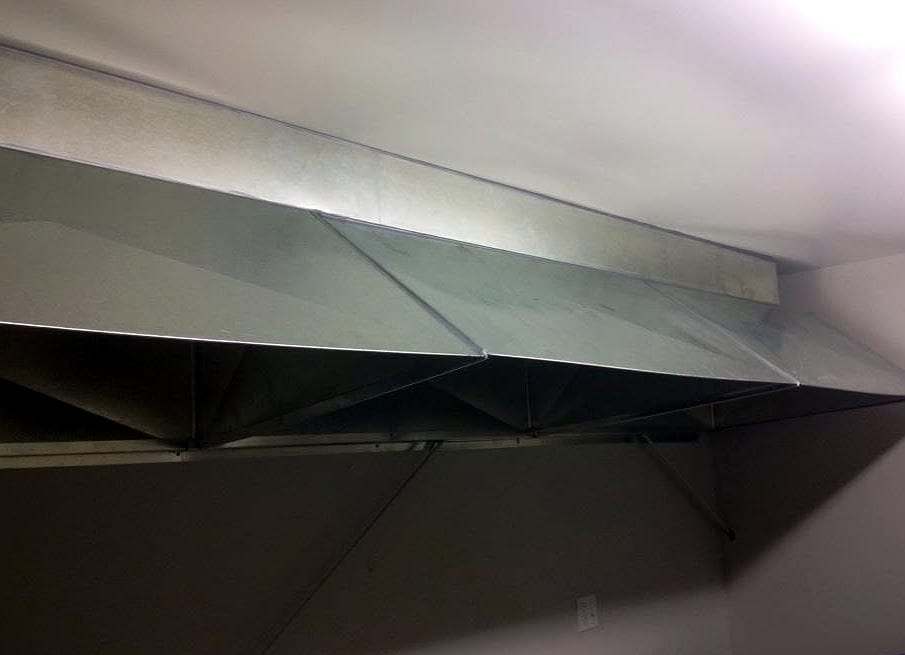
Central Texas air conditioners run for most of the year, and through the summer many run nearly all day. In many Pflugerville homes the air handler and much of the ductwork sit in the attic, where summer temperatures climb far above the outdoor air. That heat wears on blower motors, dries out duct seams and works the refrigerant lines hard.
Two local conditions add to it. Hard water leaves scale that, together with algae, clogs condensate drain lines, so a pan overflows or a float switch shuts the system down. And dust, along with the cedar pollen that fills the air in winter, loads filters faster than the package suggests. A clogged filter starves the coil of air, and a starved coil can freeze.
Tune-Up Items Before the Cooling Season
- Filter: replaced, and the right size for the slot so air cannot bypass it.
- Condensate drain: flushed, with the pan and float switch checked.
- Coil: the indoor coil inspected and the outdoor coil rinsed of dust and leaves.
- Outdoor unit clearance: grass, shrubs and stored items kept back from the sides and top.
- Electrical connections: tightened, with the capacitor and contactor tested.
- Thermostat: set correctly, with fresh batteries where it uses them.
- Airflow: supply and return vents open and the blower moving air as it should.
Filters, Drains and Tune-Ups: Questions
How often should I change the air filter in dusty Central Texas seasons?
A common one-inch filter usually needs changing every one to two months while the air conditioner runs hard, and more often during the winter cedar pollen season, after nearby construction, or in a home with pets. A thicker four- or five-inch media filter can often go longer.
The simplest test is to look at it. Hold the filter up to a light: if you cannot see light through it, it is due. A filter that is grey and caked restricts airflow, which can freeze the coil and make the blower work harder.
Is a tune-up worth doing if the system is cooling fine?
A tune-up before the cooling season is the time to find a weak capacitor, a partly clogged drain or a dirty coil, while the problem is still small. Those are the parts that tend to fail on the first long hot week, when everyone is calling.
Why does water keep showing up near my indoor unit?
Usually the condensate drain is clogged, so the water the coil pulls out of the air has nowhere to go. In an attic, an overflowing pan can stain the ceiling below. Switch the system off at the thermostat and call: clearing the drain and checking the float switch is a quick part of the visit.
Book an AC Repair or Tune-Up
Call (737) 637-3931 or send a request with the address and a short description of what the system is doing.