
Our Approach to Heating, Cooling and Electrical Work
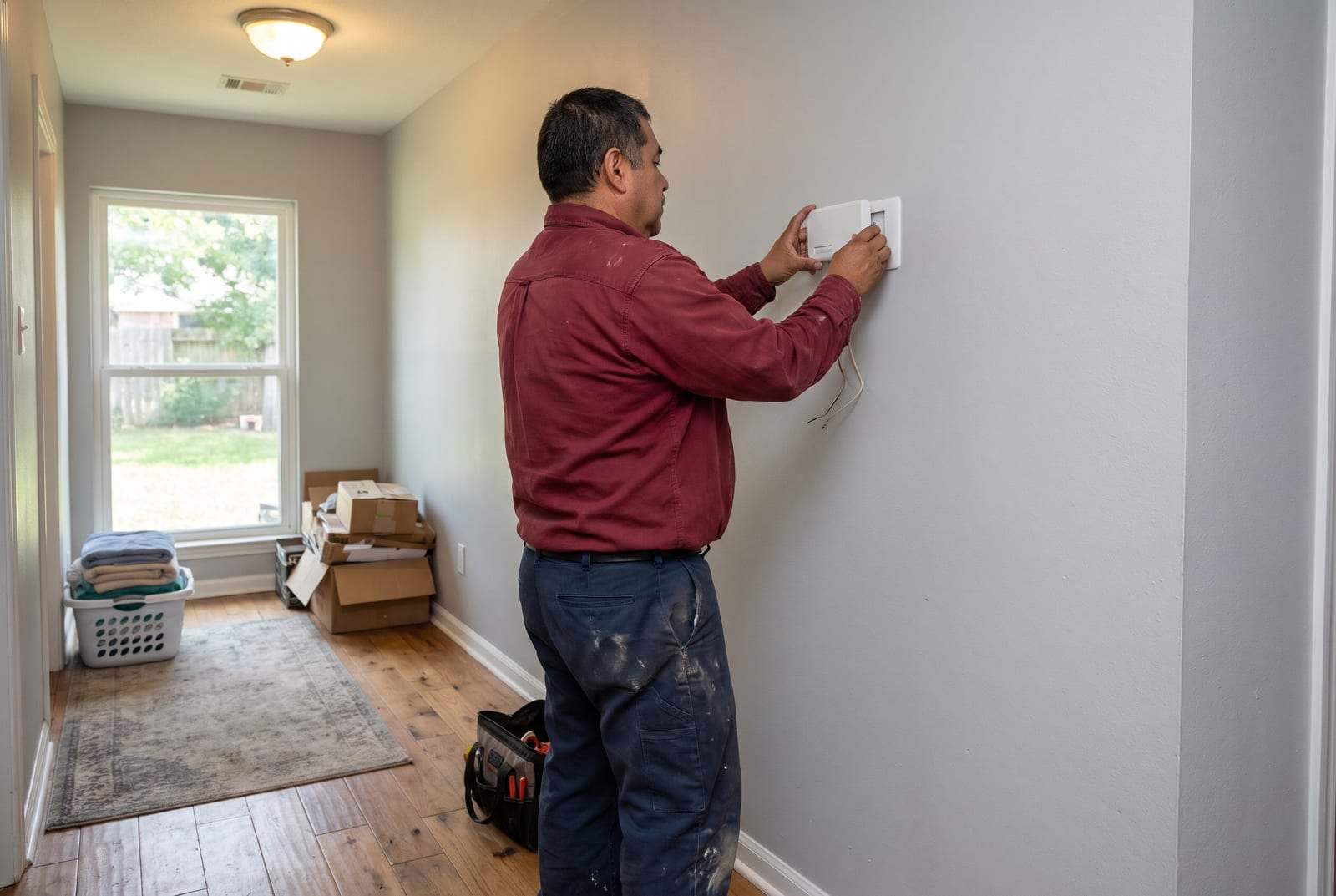
Most jobs start the same way: a call or a message with the address and a short description of what the system is doing. From there a visit is scheduled. What happens next depends on the job, but every air conditioning, heating or electrical job goes through the same four stages, and the trade works under a set of safety and code rules that protect you and the house.
- Call or message with the address and what the system is doing.
- A visit is scheduled to look at the equipment.
- The fault and the options are explained before any work begins.
- The work is done and the system is tested.
Stages of a Job
| Stage | What generally happens | What you can do |
|---|---|---|
| Assessment | The equipment is looked over and tested to find the fault, or, for a new system, the house is measured and checked | Have the thermostat setting, the problem’s history and the model label ready, and clear a path to the unit |
| The options | What was found is explained, with the choices: repair or replace, which part, which size or type of system | Ask questions; a decision does not have to be made on the spot for anything but an emergency |
| The work | Power or gas is shut off where needed, the repair or installation is done and permits are pulled where the job requires them | Keep children and pets clear of the work area, the attic hatch and the outdoor unit |
| Testing | The system is run and checked: temperatures, airflow, drain, electrical readings, safety controls and the thermostat | Run the system yourself before the visit ends and ask about anything that seems off |
Safety and Code Rules
Heating, cooling and electrical work all touch systems that can hurt someone when they go wrong: high voltage, natural gas, refrigerant under pressure and combustion gases. These are the rules of the trade that apply to most jobs.
| Rule | Applies to | What it means for you |
|---|---|---|
| Permits and inspections | System replacements, new circuits, panel changes and gas line work | The work is recorded with the city and checked by an inspector against the code |
| Electrical code | Every circuit, breaker, outlet and disconnect | Wire sizes, breakers, GFCI and AFCI protection and grounding must match the load and the location |
| Power shut off before work | Any repair inside a panel, a unit or a circuit | The breaker or disconnect is switched off and tested dead before parts are touched |
| Refrigerant handling | Air conditioners and heat pumps | Federal rules require certified technicians and recovery of refrigerant; it may not be vented into the air |
| Gas and carbon monoxide safety | Gas furnaces, gas lines and flues | Connections are leak-tested and flues checked so combustion gases leave the house; a working CO alarm matters |
| Equipment disposal | Replaced condensers, coils, furnaces and air handlers | Refrigerant is recovered first, and old equipment goes for scrap or recycling rather than to a landfill |
Preparing for a Visit
- Clear access to the indoor unit, the outdoor unit, the attic hatch and the electrical panel.
- Secure pets in another room or the yard while the work is going on.
- Note the problem’s history: when it started, what it does and any earlier repairs.
- Find the brand and model on the unit’s label, or take a photo of it.
Controls, Wiring and Testing
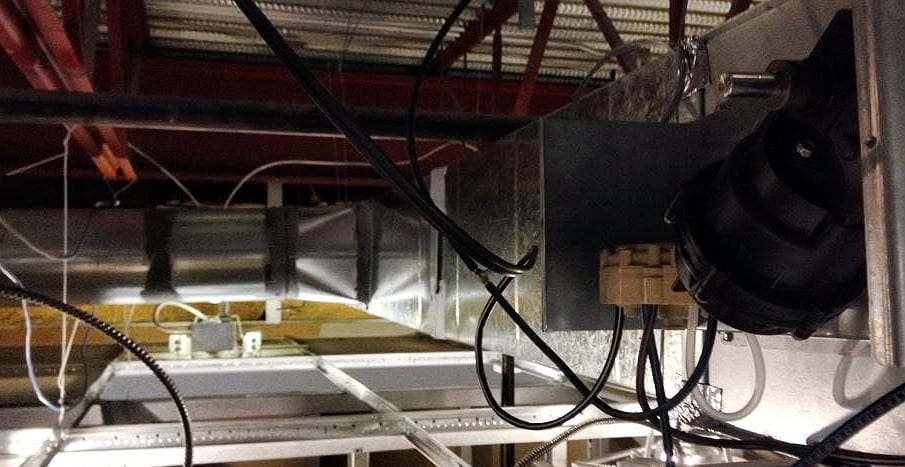
Modern systems depend on low-voltage controls as much as on their motors and compressors: thermostats, zone dampers, float switches and the control boards that tie them together. A system can have power and still refuse to run because one small switch has opened. That is why testing at the end of a job covers the controls and the safety switches as well as the temperatures, so the system is known to start, run and shut down as it should.
Permits and Inspections: Questions
Why do permits and inspections apply to replacements and electrical work?
A new air conditioner, furnace or heat pump connects to the electrical service, often to a gas line and always to the refrigerant circuit and the ductwork. An electrical panel or a new circuit carries enough current to start a fire if it is wrong. Permits exist so that this kind of work gets a second look from an inspector who checks it against the mechanical, electrical and gas codes.
The permit protects you as the owner: it shows the work was done to code, which matters to an insurer and to a buyer if you sell the house. Rules vary by city, so whether a particular job needs one is part of planning it.
Does every repair need a permit?
No. Most repairs, such as replacing a capacitor, a motor, a thermostat or a breaker of the same size, do not. Replacing a whole system, adding a circuit, changing a panel or working on a gas line generally does.
Start With a Call or a Message
Call (737) 637-3931 or send a request with the address and a short description, and we will schedule a visit from there.