
Furnace and Heat Pump Repair in Pflugerville, TX
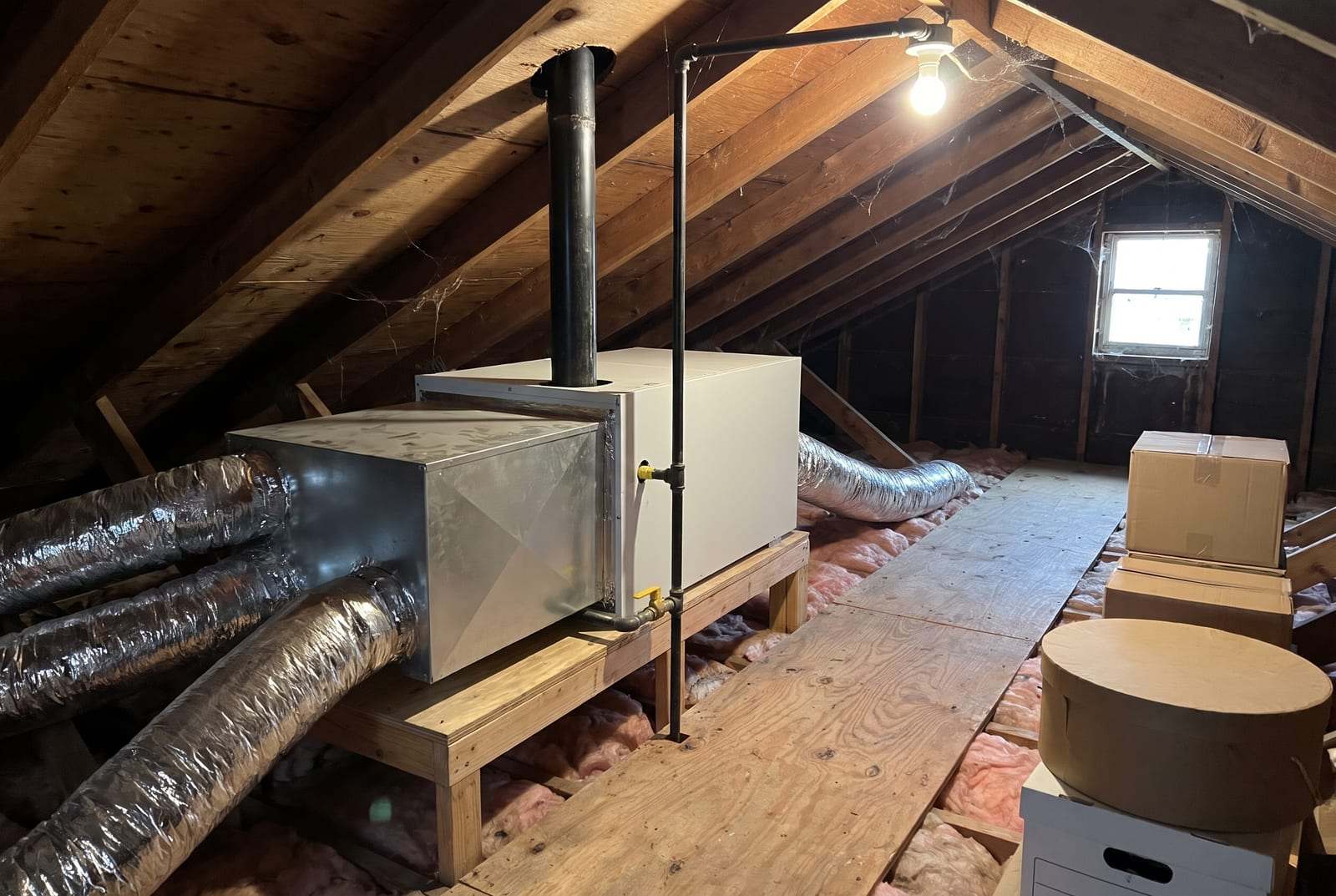
We repair and install gas furnaces, heat pumps and electric heat, for homes and for small commercial spaces. Heating in Central Texas is a short season, but a sharp one: a system can sit unused for months and then be asked to run hard overnight when a freeze arrives.
A heating visit starts by finding out why the system is not heating: an igniter or flame sensor on a furnace, a reversing valve or defrost control on a heat pump, a failed heat strip or breaker on electric heat, or a thermostat that is not calling for heat at all. The options are explained before any work begins.
Heating Types
| Type | How it heats | Good to know |
|---|---|---|
| Gas furnace | Burns natural gas in a heat exchanger and blows air across it | Strong, quick heat in a freeze; needs a sound flue, a working igniter and a carbon monoxide alarm in the house |
| Heat pump | Runs the air conditioner in reverse, moving heat from the outdoor air into the house | Efficient through mild weather; the outdoor unit defrosts itself now and then, and steam from it is normal |
| Electric furnace or heat strips | Heats air across electric coils inside the air handler | Simple and common in all-electric homes, but heavy on the power bill when it runs for long stretches |
| Dual fuel | A heat pump for most of the winter, with a gas furnace taking over in hard cold | Combines the heat pump’s efficiency with the furnace’s strength when temperatures drop |
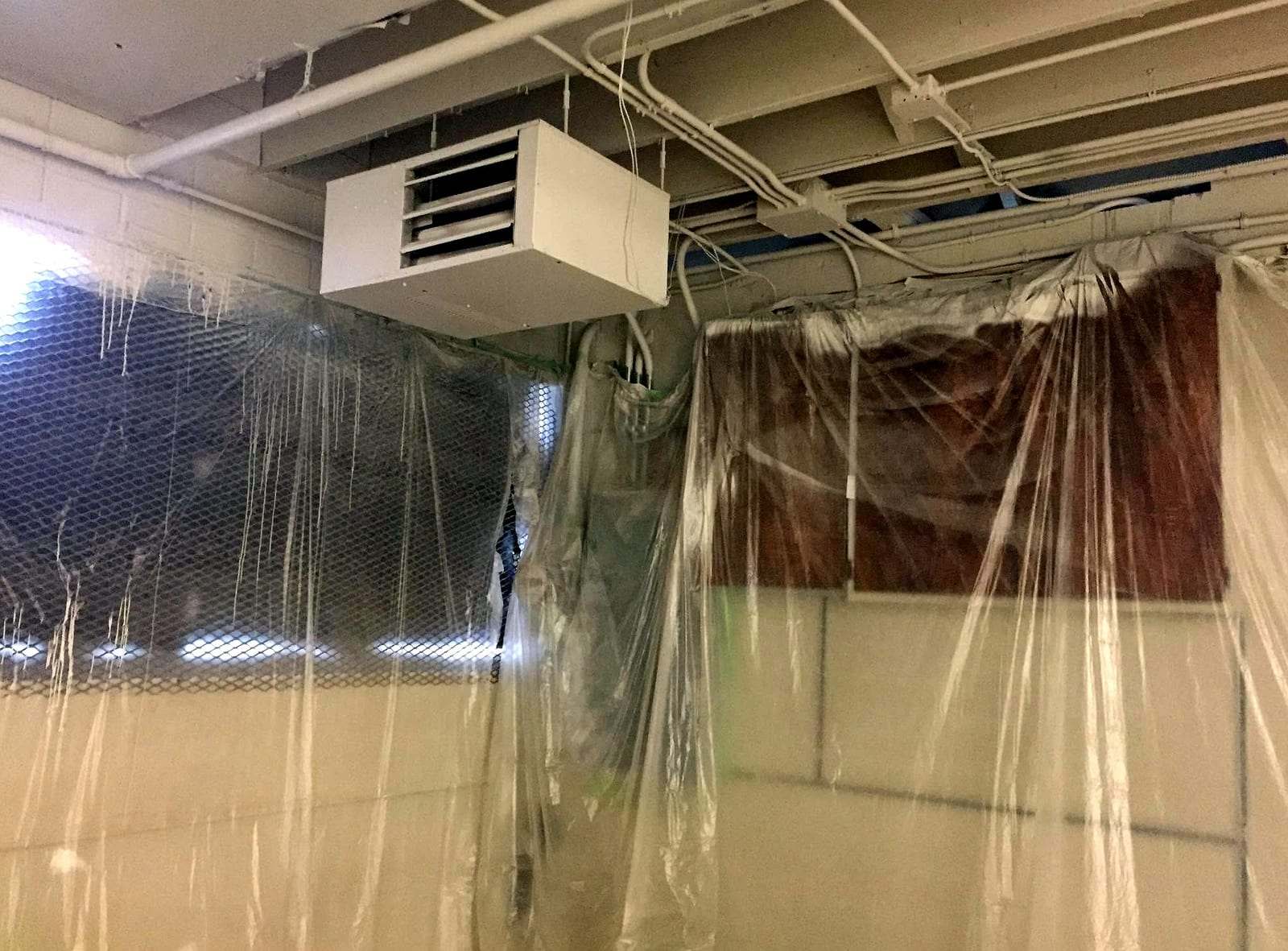
| Unit heater | A gas or electric heater hung from the ceiling with its own fan | Used in shops, garages and small commercial spaces rather than living areas |
Short Winters, Sudden Freezes
Most winter days here are mild, and that is exactly the trouble. After months of air conditioning, a sudden cold front can drop the temperature well below freezing overnight. The heating system, unused since the previous winter, is switched on and asked to run for hours. That is when a weak igniter, a dirty flame sensor or a worn heat strip shows itself.
Heat pumps work hardest in a hard freeze. As the outdoor air gets colder, the heat pump moves less heat, runs longer and defrosts more often, and the backup heat strips come on to help. A heat pump that cannot keep up on a freezing night may be low on refrigerant or have a defrost problem, and it is worth a check before the next cold snap.
Before the First Cold Snap
- Thermostat set to heat, with the temperature set above the room’s and fresh batteries where it uses them.
- Filter replaced: it has likely carried the whole cooling season.
- Vents and returns unblocked by furniture, rugs or curtains.
- Outdoor heat pump unit clear of leaves, branches and anything stacked against it.
- Carbon monoxide alarm tested, with a fresh battery, on every floor of a home with gas heat.
- Gas smell procedure known: if you smell gas, leave the house, do not switch anything on or off, and call the gas utility or 911 from outside.
Heating Questions
Heat pump or gas furnace: which suits Central Texas?
Both work here. Winters are short and mostly mild, which suits a heat pump: it heats efficiently through the many days that sit in the forties and fifties. A gas furnace gives stronger, faster heat during the few hard freezes and does not slow down as the outdoor temperature drops.
Many homes already have one or the other, and the existing gas line, electrical service and ductwork usually settle the choice. A dual fuel system, a heat pump backed by a gas furnace, takes the best of each where gas is available.
What does “emergency heat” on my thermostat mean?
On a heat pump system, emergency heat switches off the heat pump and runs only the backup electric heat strips in the air handler. It is meant for when the outdoor unit has failed or is iced over and cannot defrost.
Emergency heat keeps the house warm, but it uses much more electricity, so it is a stopgap rather than a setting to leave on. If you find yourself needing it, call and have the heat pump checked.
Is a burning smell normal when the heat first comes on?
A faint dusty smell for the first few minutes of the season is common: dust that settled on the heat exchanger or heat strips over the summer is burning off. A smell that lasts, an electrical or plastic smell, or any smell of gas is not normal. Switch the system off and call.
No Heat or Weak Heat?
Call (737) 637-3931 or send a request with the address and a short description of what the heating is doing.